
The Importance of “EL Tinglar” the Leatherback Turtle in Pauerto Rico
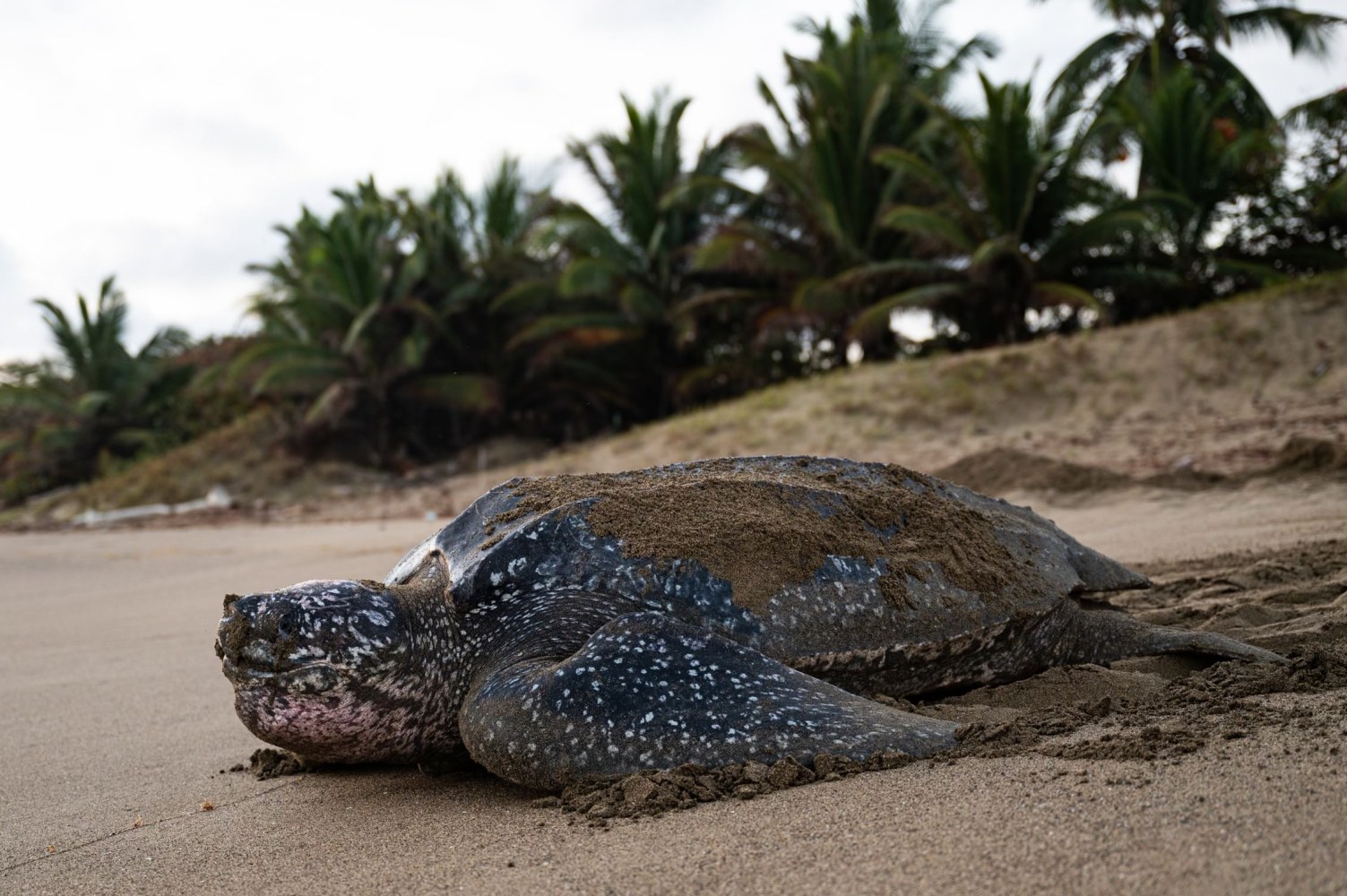
In Puerto Rico, they’ve been nesting for centuries, mostly on eastern and northern beaches such as Luquillo, Maunabo, and Dorado.Puerto Rico’s beaches are more than just places for sunbathing and snorkeling—they’re critical nesting grounds for one of the most majestic and ancient creatures on Earth: the leatherback sea turtle (Dermochelys coriacea). As the largest of all sea turtles, leatherbacks are ocean wanderers that have been gliding through our waters since the time of the dinosaurs. Their presence here is not only a symbol of ecological richness but also a call for conservation.
A Brief History of the Leatherback Turtle
- Ancient Mariners: Leatherbacks have existed for more than 100 million years, surviving mass extinctions and thriving in oceans across the globe.
- Unique Design: Unlike other sea turtles, leatherbacks don’t have a hard shell. Instead, they have a leathery, ridged carapace that helps them dive deeper than any other turtle—up to 4,000 feet!
- Global Travelers: These turtles migrate across entire oceans, sometimes swimming over 10,000 miles a year to feed and lay eggs.
- Nesting Season: March to July is peak nesting time. Female leatherbacks return to the very beach where they were born to lay their eggs.
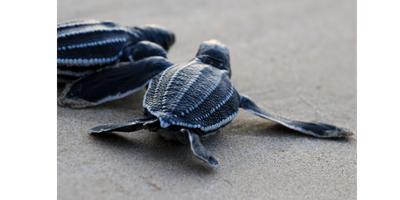
- Hatchling Season: From May through September, baby turtles begin to emerge under the moonlight, scrambling toward the sea.
- Top Nesting Beaches In Puerto Rico:
- Playa Lucía (Yabucoa)
- Playa Escondida (Fajardo)
- Reserva Natural Playa Grande–El Paraíso (Manatí)
- Maunabo & Luquillo Beaches—both active in turtle protection efforts
Fun Facts About Leatherback Turtles
- They can weigh up to 2,000 pounds!
- They don’t chew their food—instead, their throat and mouth are lined with backward-pointing spines to trap jellyfish (their favorite snack).
- Leatherbacks can survive frigid temperatures thanks to their thick layer of fat and constant movement.
- They have incredible navigation skills, often returning to the exact beach where they were born after decades at sea.
Did you know that:
In coastal communities like Luquillo, Maunabo, and Fajardo, you’ll notice many streetlights near the beach have been changed from white to red or amber LEDs. Why?
- Red light doesn’t confuse hatchlings the way white or blue light does.
- Hatchlings are naturally drawn to the moonlight reflecting off the ocean.
- Artificial lights can lead turtles inland, where they may be eaten by predators, run over, or die from exhaustion.
Wanna catch a Festival or Community Events
Puerto Ricans are proud of their marine life, and that love shows in the local celebrations and education efforts around leatherback turtles:
- Festival del Tinglar (Tinglar = Leatherback in Spanish) – Held annually in Luquillo, this fun and educational event celebrates the nesting season with:
- Beach clean-ups
- Turtle-themed art, crafts, and music
- Guided talks by marine biologists
- Family activities promoting eco-awareness
How You Can Help 🫶
Even as a traveler, you can be part of the solution:
- Avoid using flashlights or flash photography on the beach at night
- Never touch or disturb a nesting turtle or hatchling
- Use reef-safe sunscreen and reusable water bottles
- Join a beach clean-up (check with Snorkeling Puerto Rico or your tour operator for local events)
- Spread awareness by sharing info on social media
Final Thoughts
The leatherback turtle is more than just an ocean wanderer—it’s a symbol of nature’s endurance and a call to protect what matters. By learning, celebrating, and respecting these gentle giants, we ensure that future generations will witness their beauty on Puerto Rico’s shores.
Next time you snorkel with us or walk on the beach at sunset, remember: the sand you stand on may be the birthplace of a future ocean traveler.