
Make Our Oceans Safer for Marine Life
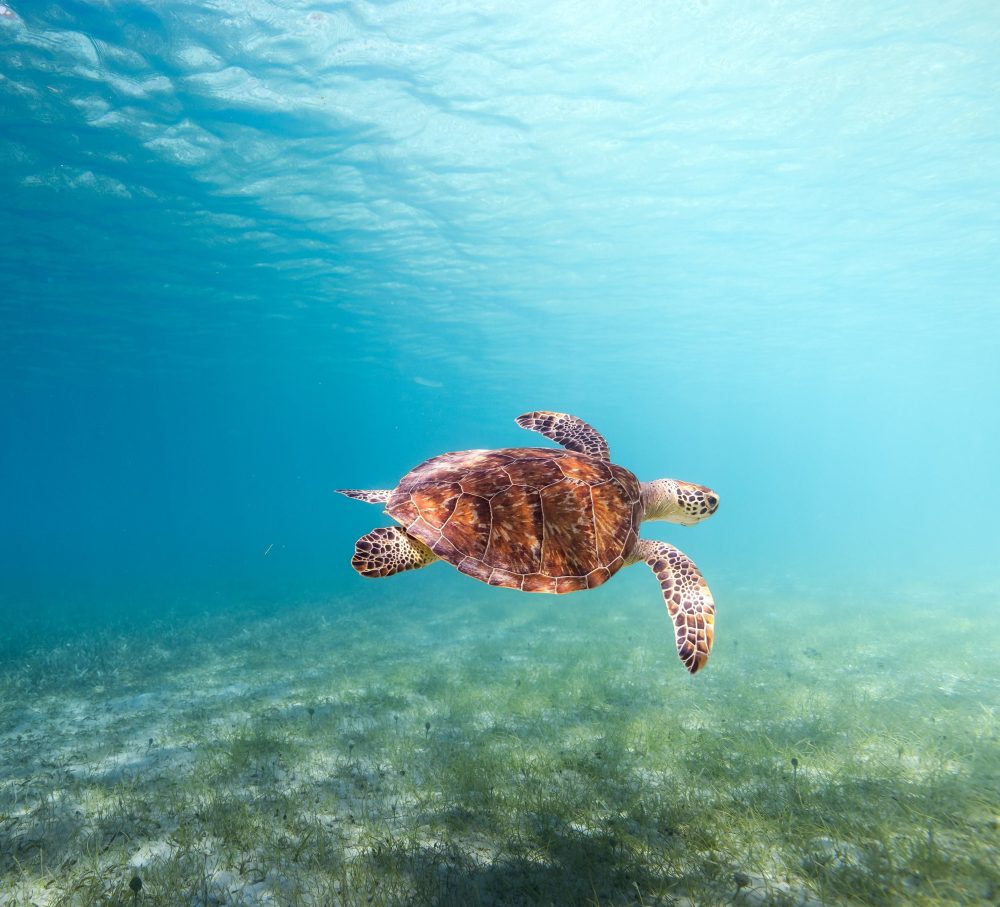
Located on the northeastern coast of the island, Fajardo offers crystal-clear waters, vibrant coral reefs, and a rich marine ecosystem, especially around the picturesque Icacos Island. When you embark on a snorkeling adventure with Snorkeling Puerto Rico, you’ll dive into an underwater paradise, with colorful fish, graceful rays, and other incredible marine life.
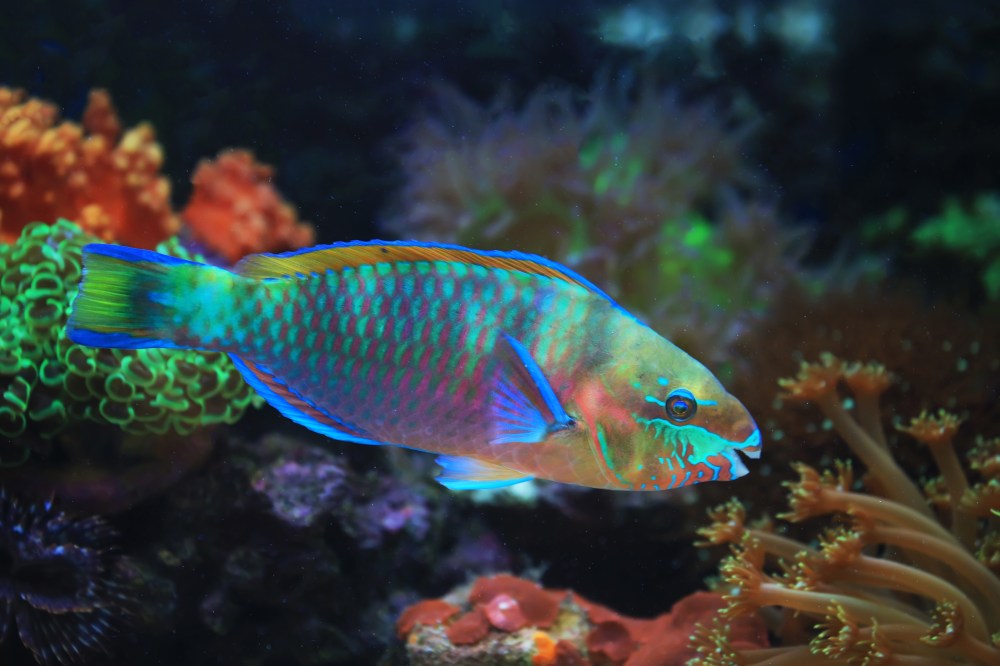
1. Parrotfish
Fun Fact: Parrotfish get their name from their beak-like mouths that resemble a parrot’s. They play a crucial role in maintaining healthy reefs by grazing on algae.
These vibrant fish sport colors ranging from turquoise to green, often with bright pink or yellow accents. You’ll find them nibbling on coral and rocks while helping to keep algae in check.
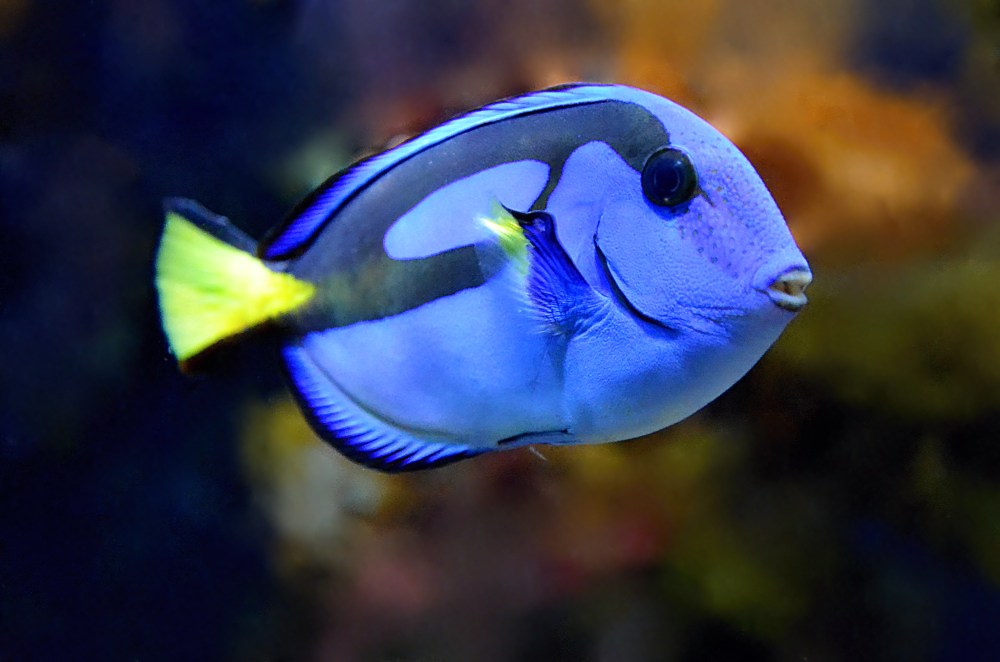
2. Blue Tang
Fun Fact: The Blue Tang is famously known as Dory from Finding Nemo—one of the most beloved underwater characters!
With its striking blue body and yellow tail, the Blue Tang is hard to miss. These peaceful, herbivorous fish feed on algae and are often seen in schools around coral reefs.
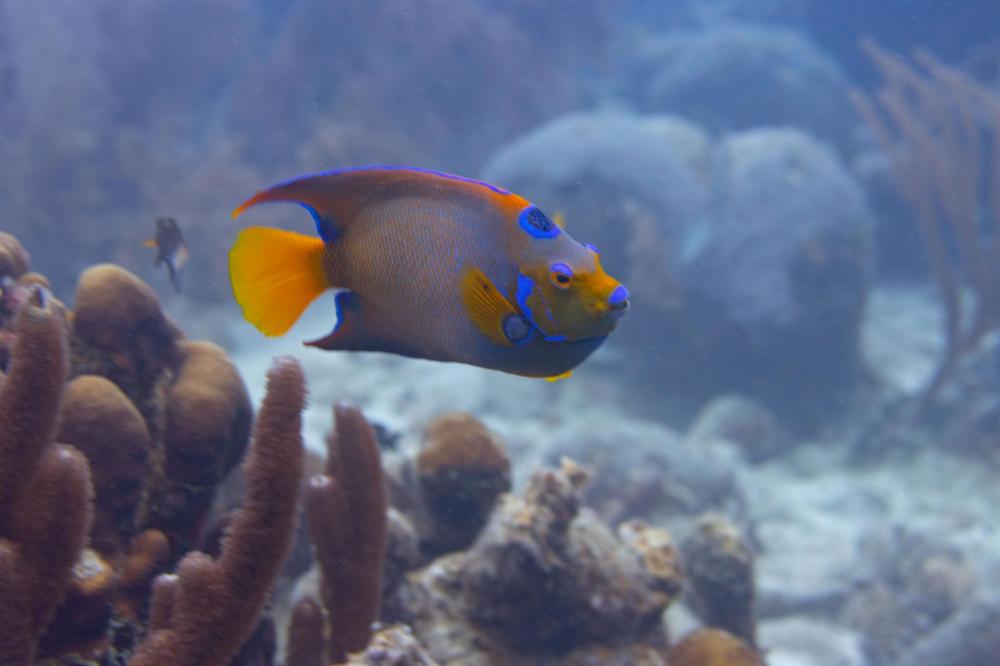
3. Angelfish
Fun Fact: There are over 80 species of angelfish, but the Queen Angelfish is the most commonly spotted in Caribbean waters.
Angelfish are a spectacle of color, with their bright blues, yellows, and greens. Their graceful movements and beauty make them a highlight for snorkelers.

4. Lionfish
Fun Fact: Despite their beauty, Lionfish are invasive in the Caribbean and threaten local fish populations, making them a target for conservation efforts.
With long, flowing spines and a striking striped appearance, the Lionfish is a fascinating but dangerous creature to observe. Keep your distance due to their venomous spines.
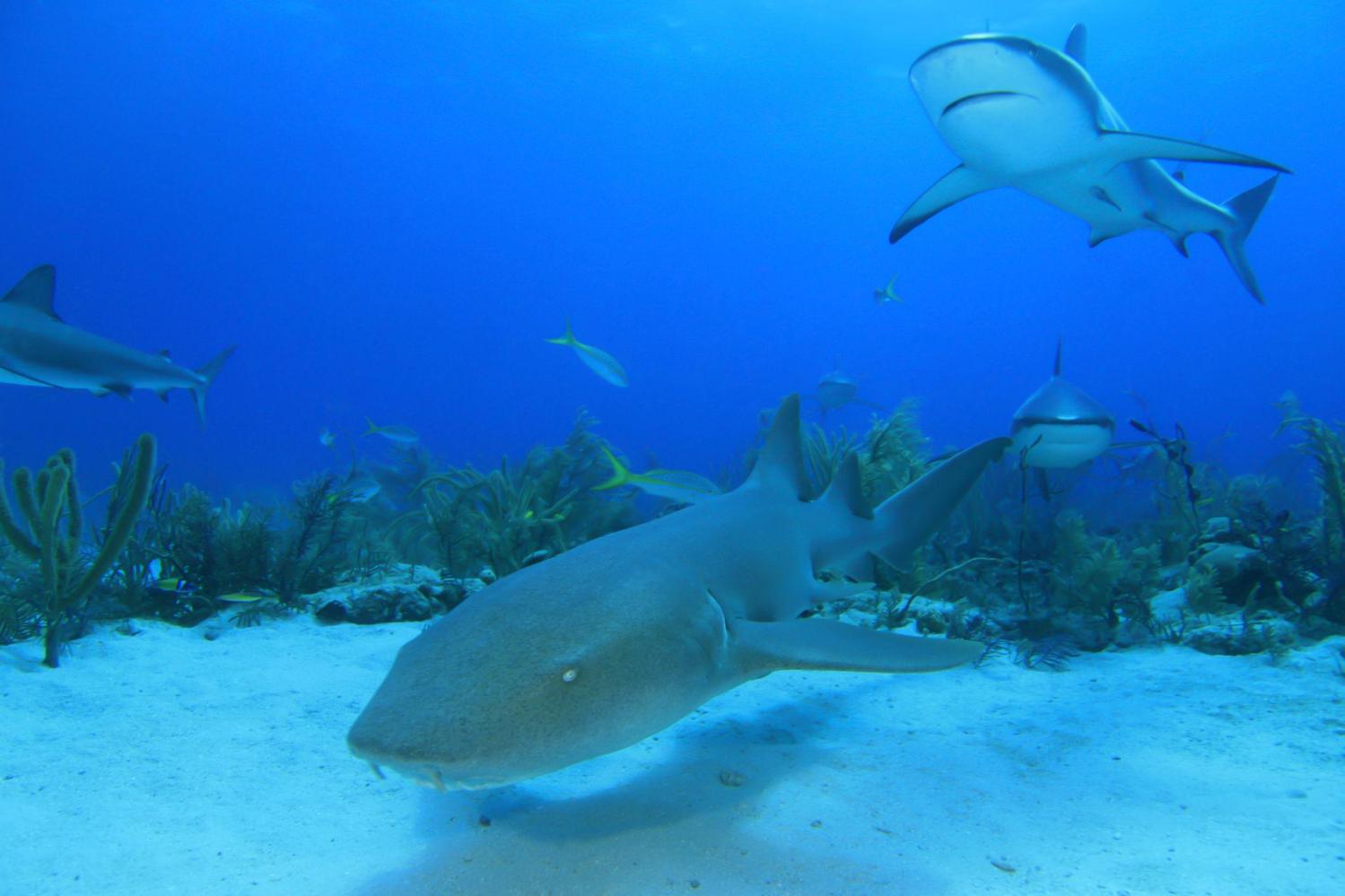 5. Nurse Shark
Fun Fact: Nurse sharks are one of the most docile species of sharks and can be found lounging on the ocean floor during the day.
Though they might look intimidating, Nurse Sharks are harmless to humans. Their broad bodies and gentle nature make them an interesting sight when snorkeling.
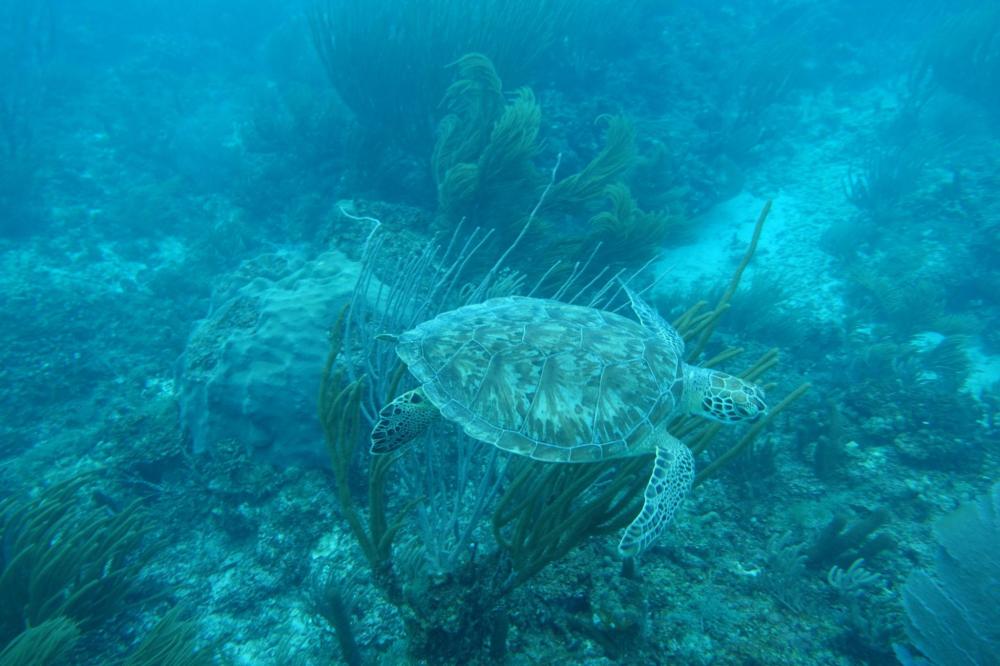
6. Sea Turtles
Fun Fact: Sea turtles can live for over 100 years, and they are known for their long migrations across oceans to lay eggs on beaches.
The Green Sea Turtle and Hawksbill Turtle are frequently seen around Icacos Island. Their slow, graceful swim makes them a peaceful addition to any snorkeling adventure.
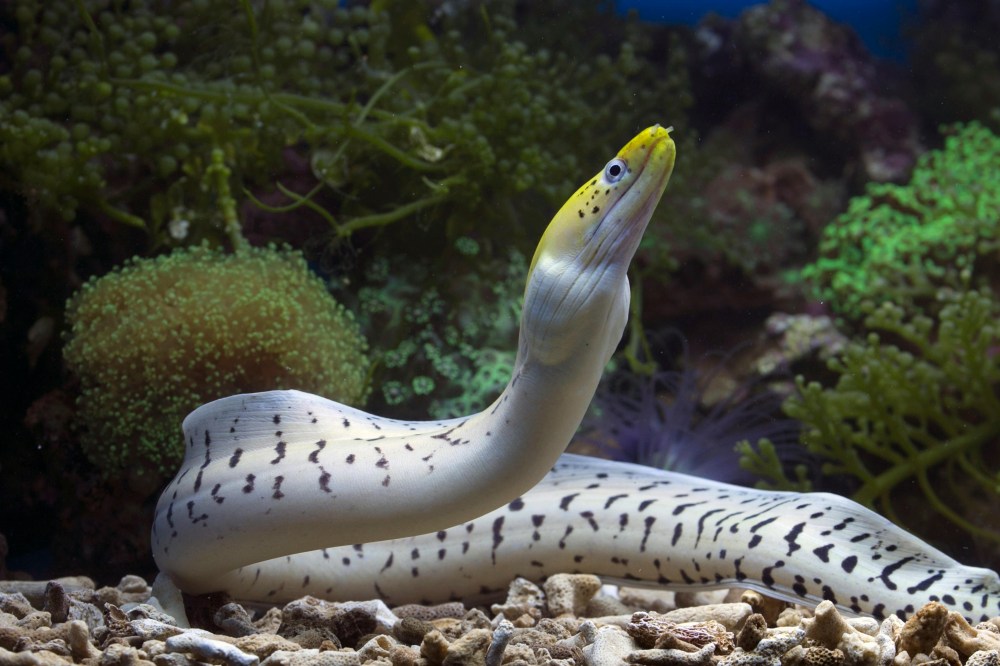
7. Moray Eels
Fun Fact: Moray Eels have sharp teeth, but they are not aggressive and prefer to stay hidden in crevices, making their appearance a rare treat.
Moray eels are elongated, with an almost alien look, and you may spot one peeking out of a rock or coral as you swim by.
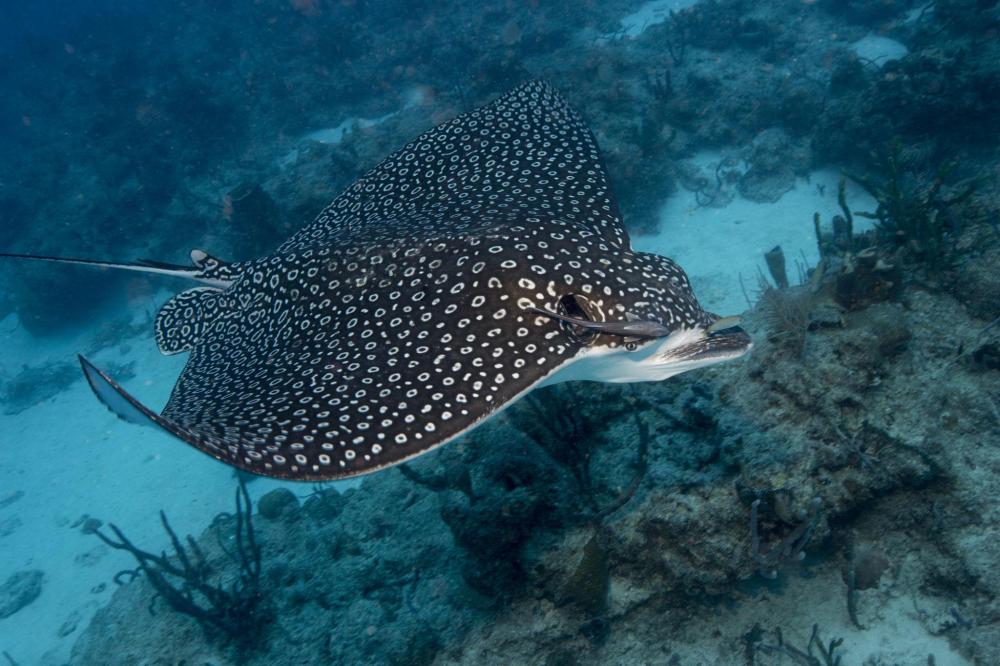
8. Spotted Eagle Ray
Fun Fact: These rays can leap out of the water in a spectacular display, often as a form of escape or just for fun!
The Spotted Eagle Ray is known for its graceful, wing-like fins and its distinctive white spots on a dark body. Their sweeping movements through the water are simply mesmerizing.
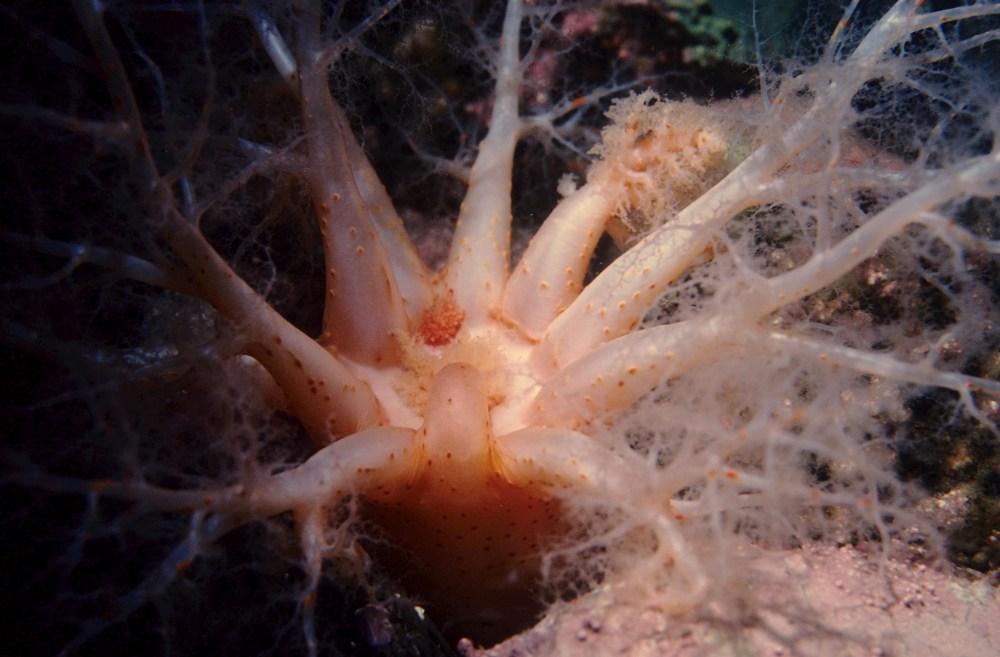
9. Sea Cucumbers
Fun Fact: Sea cucumbers are important for the health of the marine ecosystem because they help recycle nutrients in the sand. These fascinating creatures look like elongated, squishy tubes and can be found burrowing in the ocean floor. Their role in cleaning up debris and organic material helps maintain the balance of reef life.
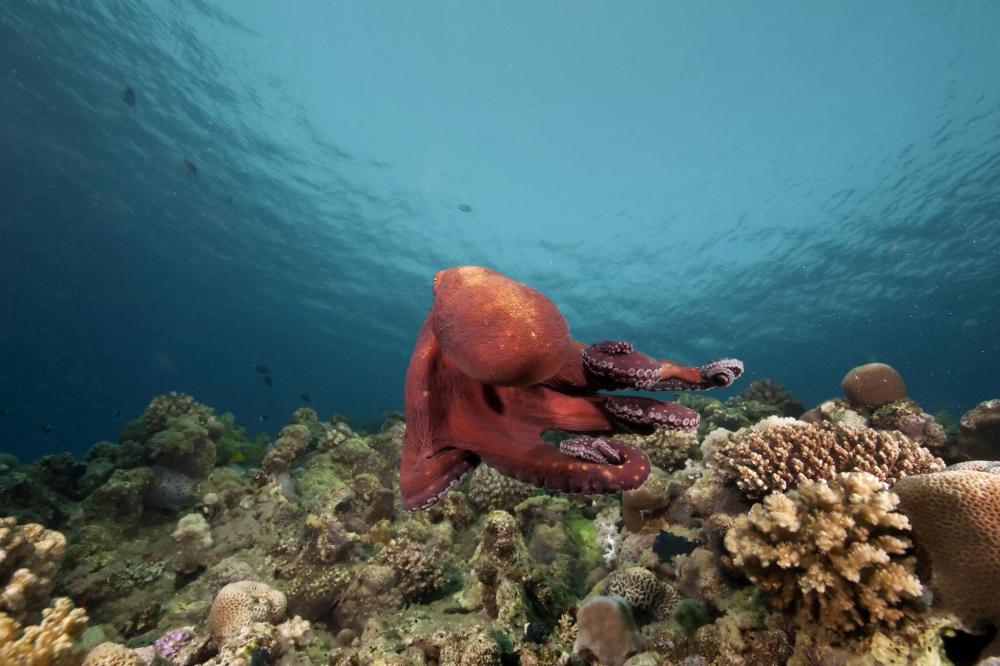
10. Octopus
Fun Fact: Octopuses are masters of camouflage and can change the color and texture of their skin to blend in with their surroundings.
Though elusive, octopuses can be spotted hiding in crevices or swimming gracefully. Their unique intelligence and ability to solve puzzles are truly remarkable!
5 Tips to Help Make Our Oceans Safer for Marine Life:
- Avoid Touching Marine Life: While it’s tempting to get up close, touching coral or fish can harm delicate species. Always observe from a safe distance.
- Don’t Leave Trash Behind: Take all your trash with you to keep the oceans clean. Plastic waste can be deadly to marine creatures.
- Use Reef-Safe Sunscreen: Many sunscreens contain chemicals that damage coral reefs. Choose reef-safe options to protect both your skin and the environment.
- Respect Wildlife: Don’t feed or chase animals. Disturbing marine life can alter their natural behavior and stress them out.
- Support Conservation Efforts: Participate in or donate to organizations focused on preserving coral reefs and marine ecosystems.
Whether you’re snorkeling for the first time or you’re an experienced diver, the waters around Icacos Island will surely leave you in awe of the Caribbean’s stunning biodiversity.